
Canopy Tensile Structure Manufacturers in India | Archway Tensile
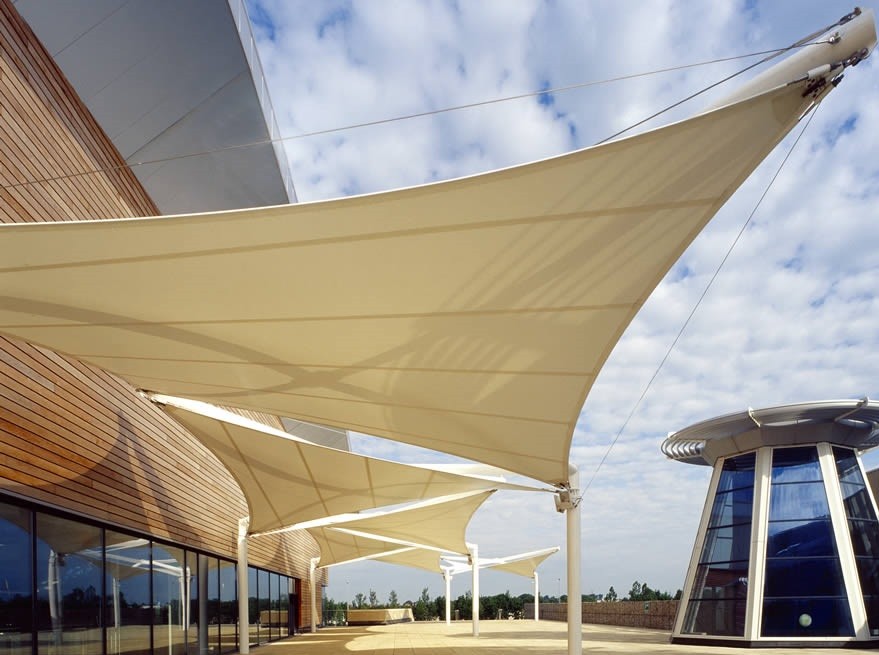
Outdoor spaces deserve more than a roof overhead. They need shelter that suits their purpose, complements the surroundings and makes people feel welcome. A canopy tensile structure brings these qualities together through sculpted fabric surfaces and a supporting framework, creating coverage without the visual heaviness of conventional roofing.
Archway Tensile is a leading manufacturer and supplier of canopy tensile structures in India. From entrance areas and pedestrian walkways to cafeterias and parking spaces, these structures combine practical shade with distinctive architectural form. They help define outdoor areas while maintaining an open, inviting atmosphere.
Designed Around the Way You Use Your Space
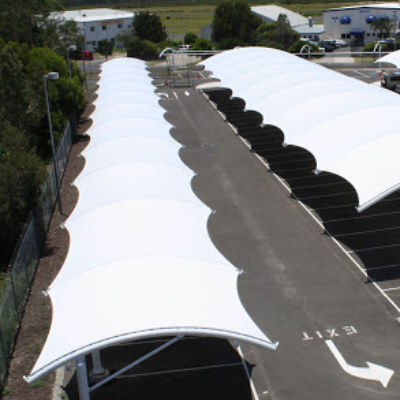
A successful canopy starts with its intended use. An entrance requires clear access and a recognisable arrival point. A dining area needs comfortable seating arrangements and unobstructed service routes. A parking canopy must account for vehicle dimensions, circulation and suitable overhead clearance.
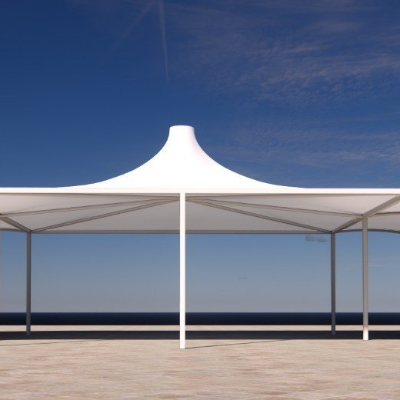
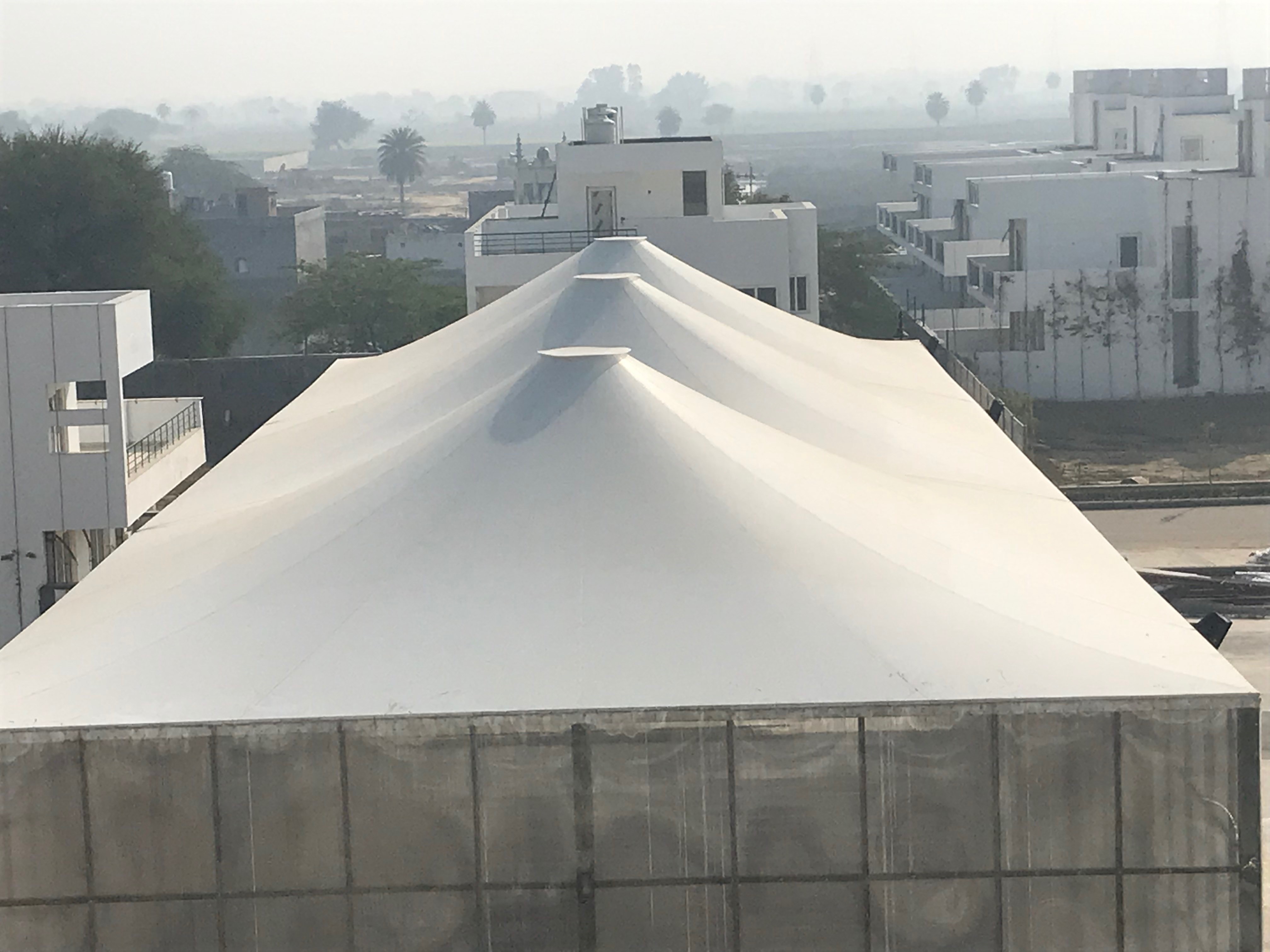
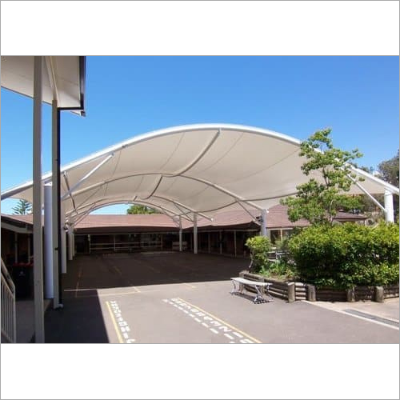
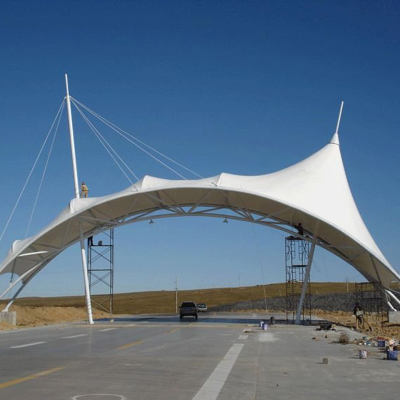
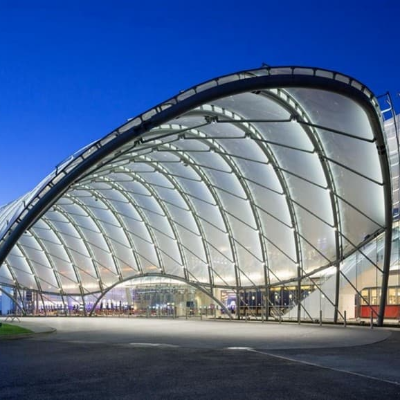
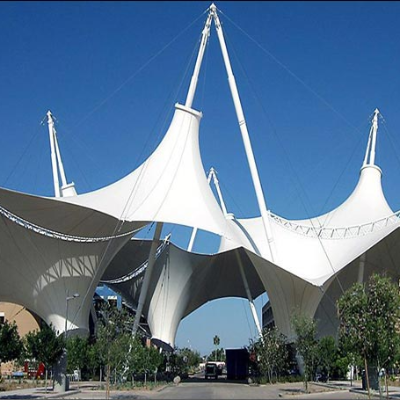
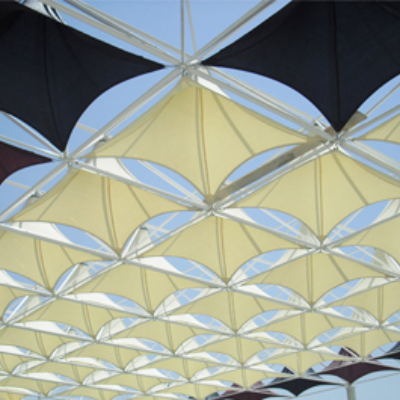
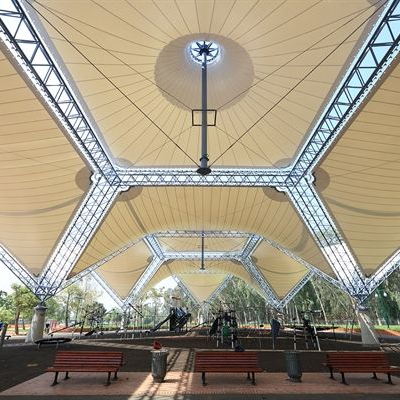
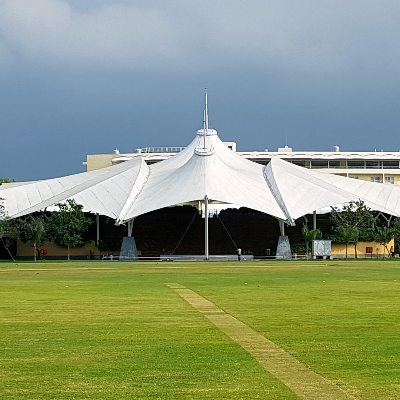
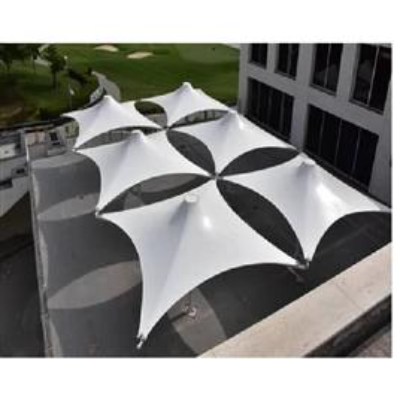
Tensile canopy structures can take curved, conical, barrel-vault or other engineered forms. Selecting the right shape involves more than visual preference: the available space, support positions, drainage and structural requirements all influence the design. Thoughtful planning helps the canopy fit naturally into the site rather than interrupt everyday movement.
Understanding a Canopy Tensile Membrane Structure
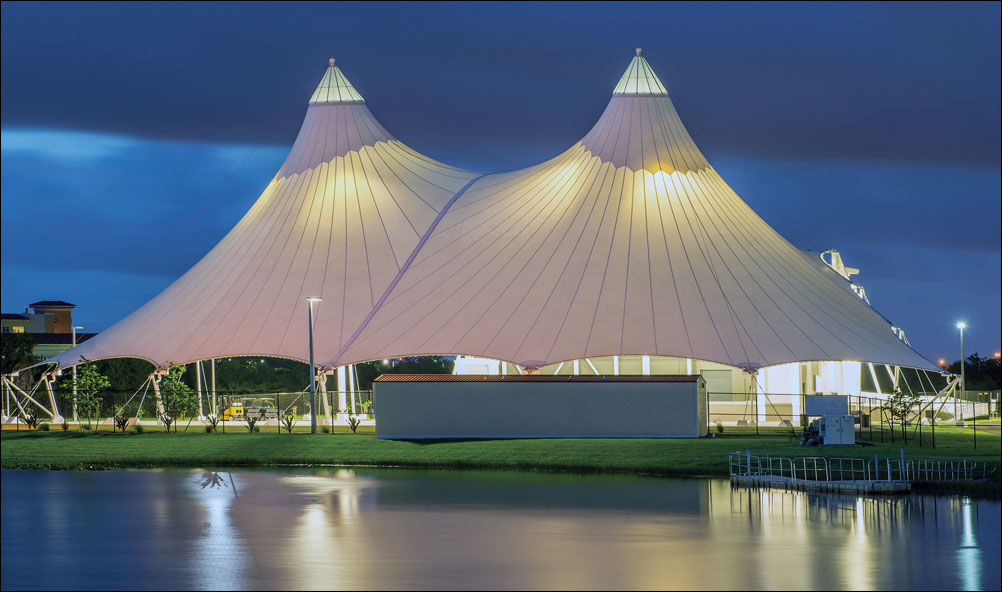
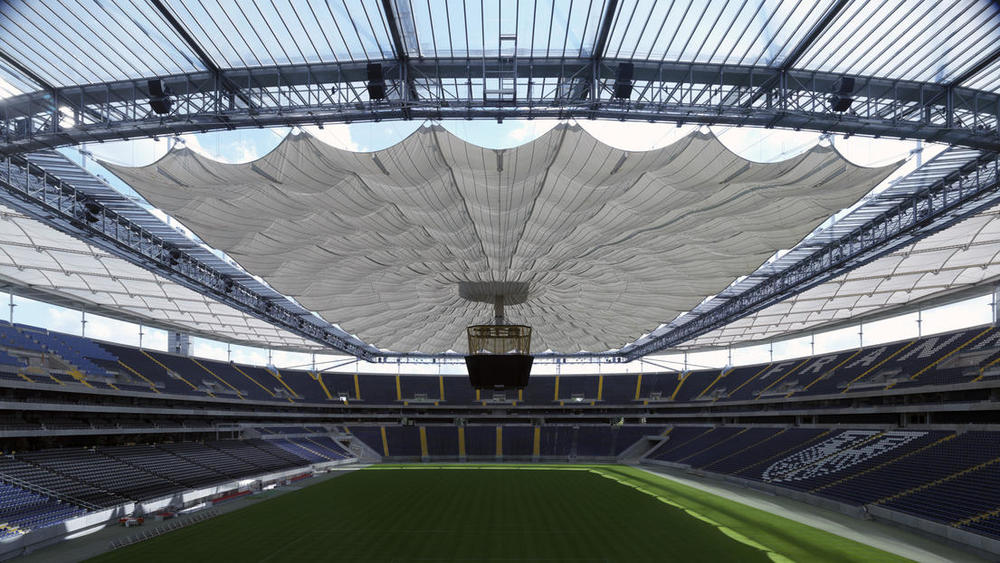
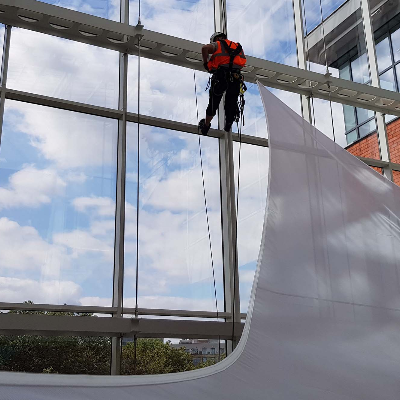
A canopy tensile membrane structure uses a fabric surface held under controlled tension and connected to an engineered support system. Depending on the design, this system may incorporate steel members, cables, masts and connection hardware. The membrane shape, tension and supporting components work together to maintain the roof’s form.
Unlike a loosely fitted fabric cover, a tensile roof requires careful coordination between geometry and structural design. Wind exposure, foundation conditions and rainwater drainage should be assessed for the installation site. These considerations help determine an appropriate solution for the required coverage.
Tensile Fabric Canopies: Light, Shade and Visual Appeal
A tensile fabric canopy offers opportunities to shape both the appearance and atmosphere of an outdoor space. Sweeping profiles can soften straight building lines, while carefully selected colours can complement an existing façade or landscape. Certain membranes allow filtered daylight beneath the roof, depending on their translucency.
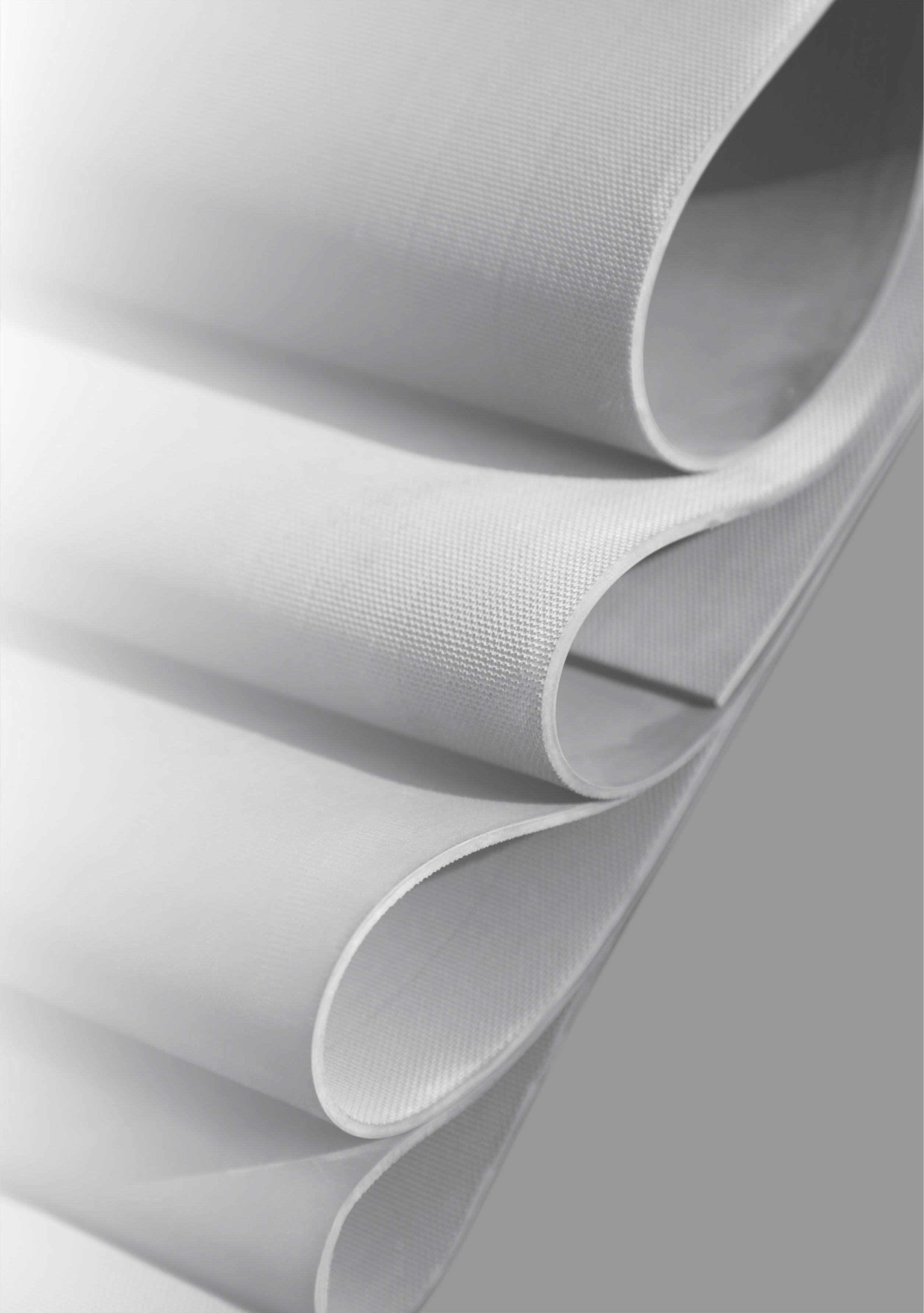
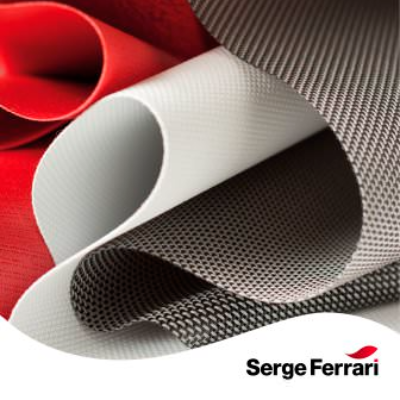
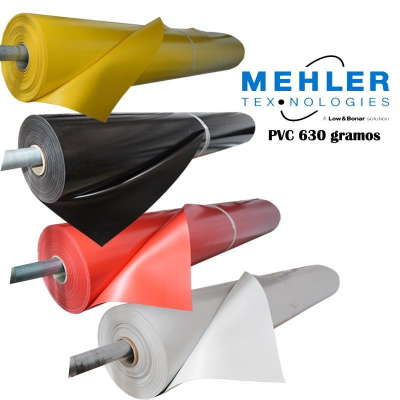
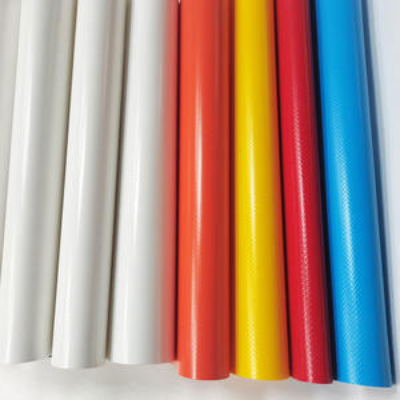
Material selection should consider weather exposure, UV resistance, fire-performance requirements and cleaning needs. PVC-coated polyester is one option used in tensile roofing, although the appropriate specification depends on the project. Shade levels and daylight transmission vary between fabrics, making it important to review material properties before selection.
Cafeteria Canopies for Inviting Dining Spaces
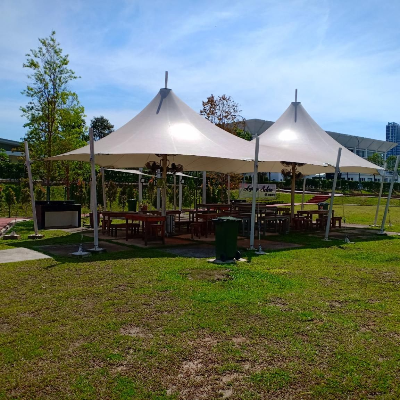
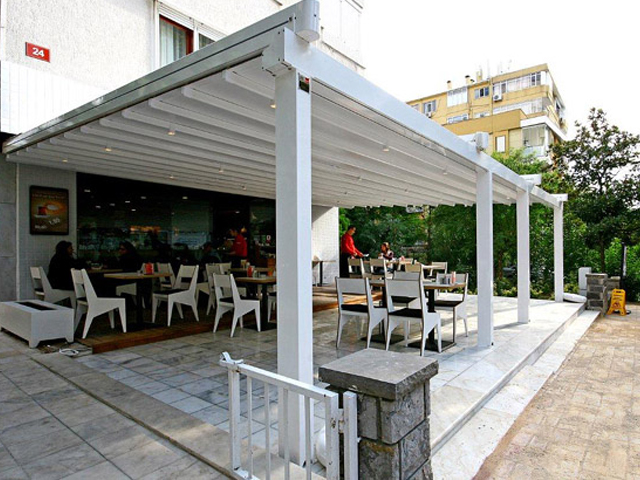
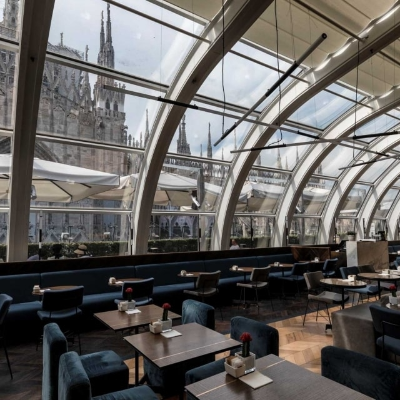
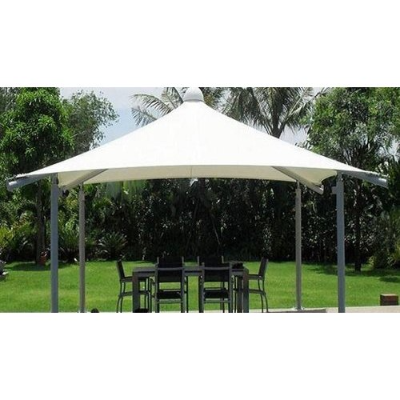
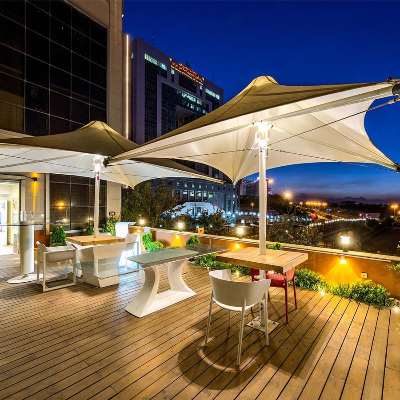
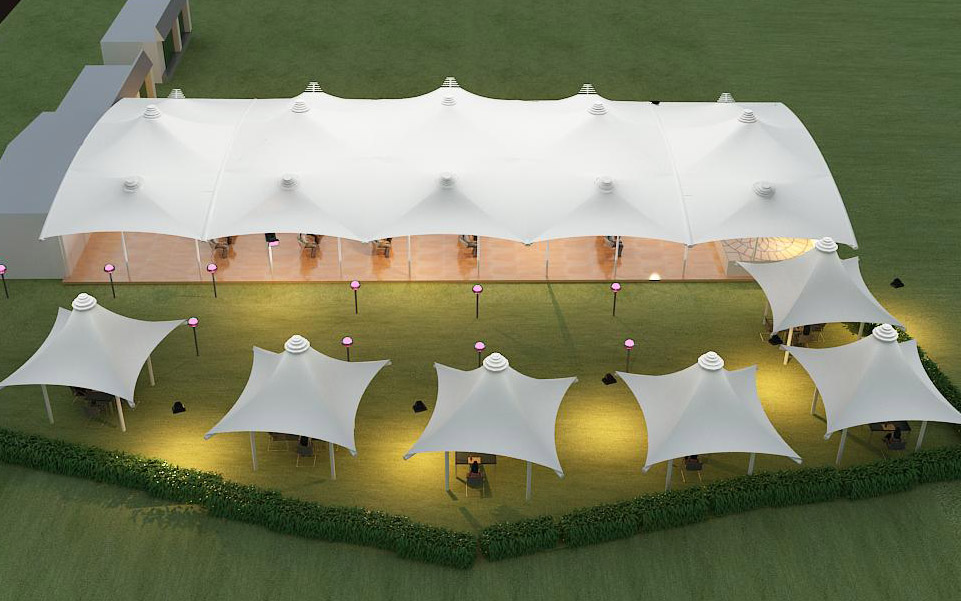
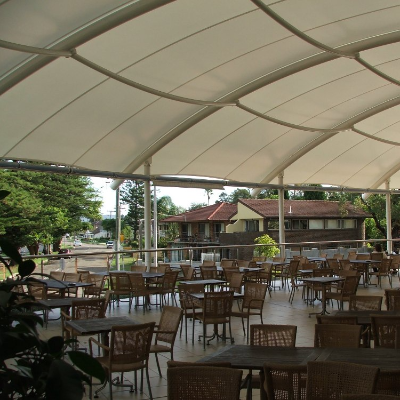
A cafeteria canopy tensile structure can transform an exposed seating area into a more practical setting for meals, breaks and informal conversations. Suitable applications include office campuses, educational institutions, restaurants and employee dining facilities.
The design should consider table placement, pedestrian circulation, service access and the direction of sunlight. Open sides can retain airflow and views, while overhead coverage provides shade and, with suitable materials and drainage, protection from rain. Cooking equipment, exhaust outlets and heat sources require particular attention when positioning fabric roofing.
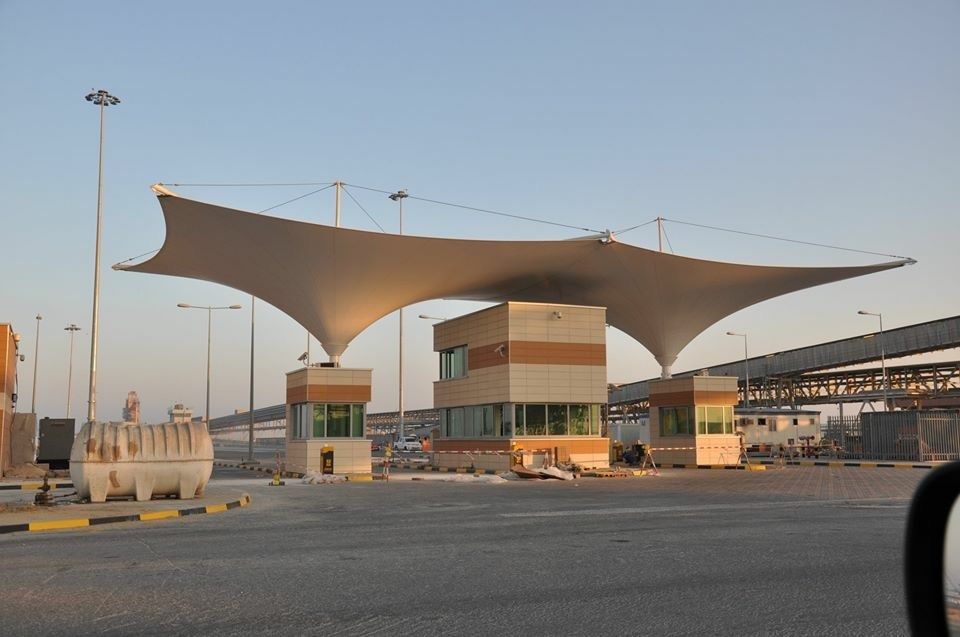
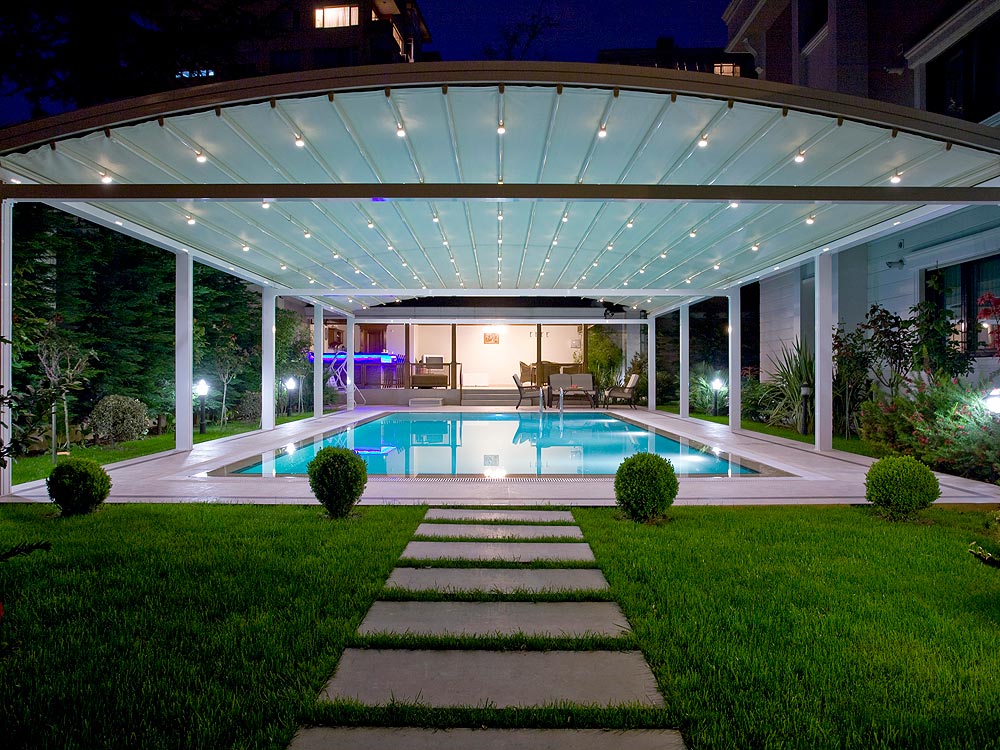
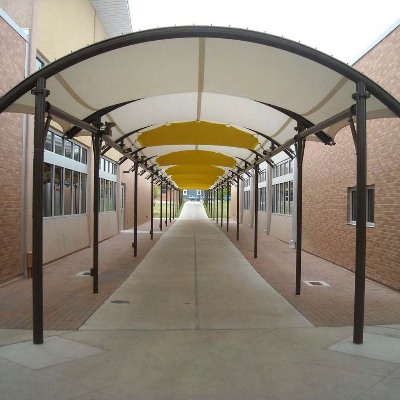
Beyond cafeterias, tensile canopies can define entrance zones, shelter connecting walkways and cover outdoor seating. They can also serve parking areas, courtyards, hospitality spaces and recreational facilities. Their suitability depends on the required span, clearance and site conditions.
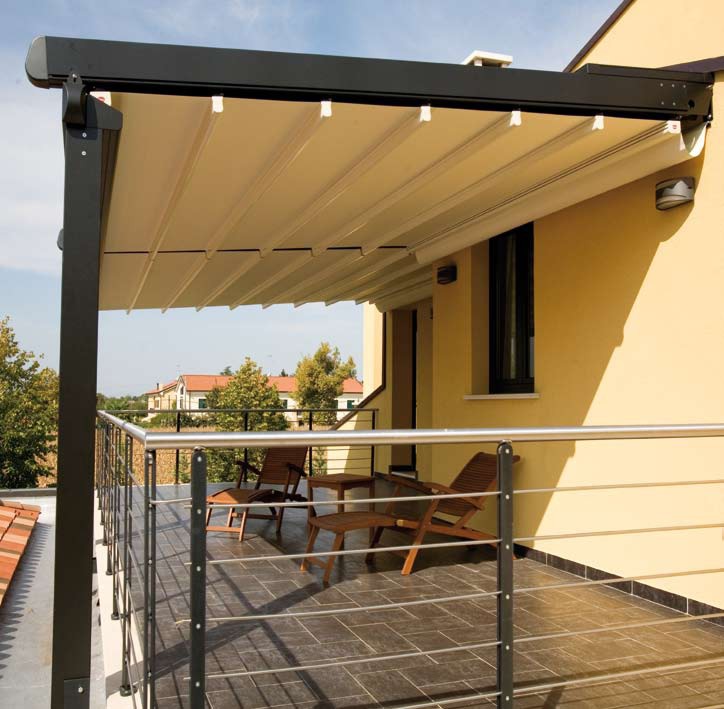
For existing properties, canopy planning should account for nearby buildings, underground services and available foundation locations. Freestanding and building-connected arrangements have different structural requirements, so the support strategy should be established before fabrication.
Planning a Canopy for Indian Conditions
A canopy tensile structure in India should respond to its local environment. Sun exposure, seasonal rainfall, wind conditions and humidity can influence membrane selection, structural design and protective finishes. Drainage routes should direct water away from entrances, seating and pedestrian paths.
Although a properly specified canopy can provide overhead weather protection, an open-sided structure is not a fully enclosed room. Wind-driven rain may enter from the sides. Identifying these limitations during planning helps match the design to the intended use.
When choosing a canopy tensile structure manufacturer, consider the proposed materials, structural drawings, fabrication details, installation scope and maintenance guidance—not appearance alone. Clear specifications help make quotations easier to assess.
The cost depends on the covered area, roof geometry, membrane specification, supporting framework, foundations and installation conditions. Share your location, site photographs, approximate dimensions and intended application with Archway Tensile to discuss your requirements and request a project-specific quotation.
Frequently Asked Questions
What is a canopy tensile structure?
It is an overhead covering made from a tensioned fabric membrane supported by an engineered framework. It provides shade and helps define outdoor spaces.
Where can tensile canopies be installed?
Common applications include cafeterias, entrances, walkways, parking areas and courtyards. Installation suitability depends on available space and structural conditions.
Can the canopy shape and size be customised?
Dimensions, roof form, colours and support arrangements can be discussed according to site requirements, engineering considerations and available materials.
Does a tensile fabric canopy protect against rain?
A suitable membrane and drainage design can provide overhead rain protection. Open sides may still allow wind-driven rain into the covered area.
What maintenance does a tensile canopy need?
Follow the membrane supplier’s cleaning instructions and arrange periodic inspections of the fabric, connections, framework and drainage. The maintenance schedule should reflect local exposure conditions.
What details are required for a quotation?
Provide the installation location, approximate coverage dimensions, site photographs, intended use and any preferred design or material requirements.